Automated summary of the creator’s claims
It sounds like a solid formula if you want a serum that may help with dark spots and hydration.
You get a friendly ingredient breakdown that points to several skin-loving parts of this serum, especially for brightness and moisture.
Machine classification: positive; confidence: high. This is not a popkr product verdict, verified result or direct Field Note.
Automated transcript and limits
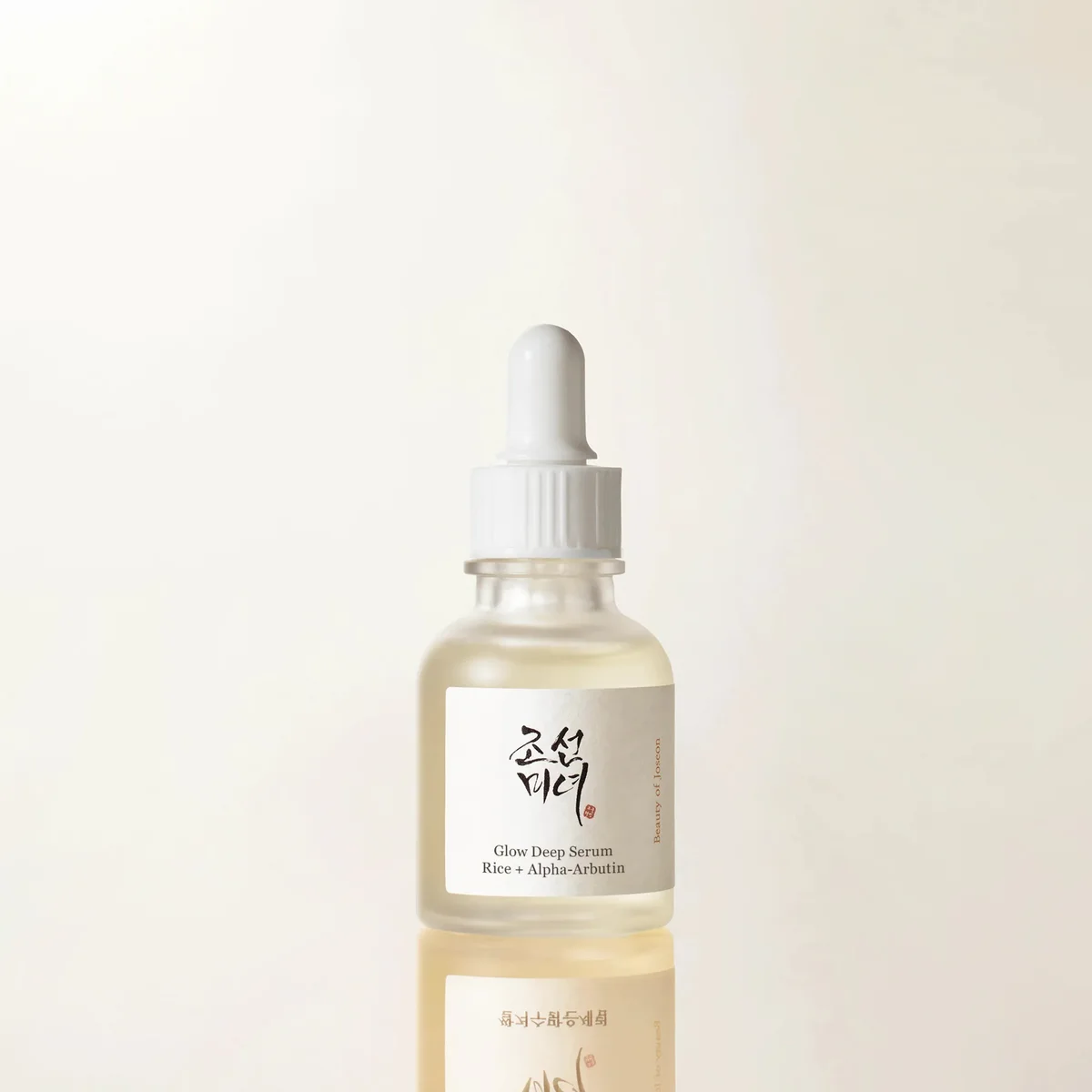
Let's review the Beauty of Joseon Glow Deep Serum. By the way, I'm a beauty product developer, which means I work with labs on formulations, and I also read ingredient lists all day long. Here is the ingredient list found on Olivian. So everything in yellow is a clear skincare ingredient, meaning that it's not like a preservative or a texture enhancer. Everything in pink either depends on your comfort level or your skin type. I'm not saying that these ingredients are bad. I'm saying that it depends. So starting at the very top, I love that rice bran water is the very first ingredient, even before water, which means that it's at the highest concentration. Now rice water is actually known to be very soothing and also have antioxidant properties because it is full of ferulic and phytic acids. It's also moisturizing and known to have anti-aging properties while diminishing the look of fine lines. We have water, which is standard, and then we have glycerin, which is a humectant, so it draws moisture to the skin. So jumping around a bit, we have alpha arbutin fairly high on the ingredient list. This is known to brighten and also fade dark spots. And I love how that's paired with acetamide, which is right after it. It is a form of vitamin B, and it's also known to brighten skin and also help with skin texture and the appearance of pores. That is followed by ingredients like panthenol, which is a form of vitamin B, and that is a humectant. Also have ingredients like trehalose in the formula, which is moisturizing and helps skin retain moisture, as well as jojoba esters, which is also moisturizing. A big block of yellow towards the bottom, for the most part, are emollient and moisturizing ingredients as well. So skipping to the pink ingredients, we do have two forms of microplastics in this formula. One is the hydroxyethyl acrylic, the second is acrylates. So microplastics are actually really common in skincare. I'm not saying that it's good or bad. I'm just saying it's widely used. So microplastics actually have many functions in skincare. For example, it could function as a film former, so it forms a occlusive layer to lock in that moisture. It could also be a texture enhancer. So actually, a microplastic could be a reason why you like the texture of a formula so much. There is no definitive evidence right now saying that microplastics at the concentrations they're added in skincare is harmful to humans. In order to be considered a microplastic, the molecule has to be five millimeters or smaller. The last pink ingredient is disodium EDTA. So personally, it's not a deal breaker for me, but I like calling it out because a lot of beauty retailers actually have it in their ingredient blacklist, including the Sephora Clean list. So this ingredient has different functions, but the reason why it's controversial is because it could function as one of those ingredients that help other ingredients absorb better. So the argument is that if you have ingredients in the formula that are not so great, you don't want them so absorbed into your skin. So let me know if you would try this formula and also let me know what you want me to review next.
Automatic transcription can mishear speech and omit on-screen context. Check the original before relying on a claim.